| Whynot Studio
Edition 17, March 2026 |
|
Hi << Test First Name >>,
Can you believe we're into autumn and the third month of the year already?
We kicked off 2026 with a lovely 2 weeks of drawing and painting at Camp Creative in Bellingen and at the beach at Sawtell.
Back in the studio, Lyn has continued work on her Wild Coast series and has added to her Habitats series. I've been working on my Primeval Botanical series.
We've started getting ready for our artist in residency in the Tarkine and caretaking work at South Bruny Lighthouse. It will be such a privilege to work in these most beautiful and special places. Our artistic journeys continue.
In the meantime, see below for a snapshot of our latest works.
All the best,
Paul |
|
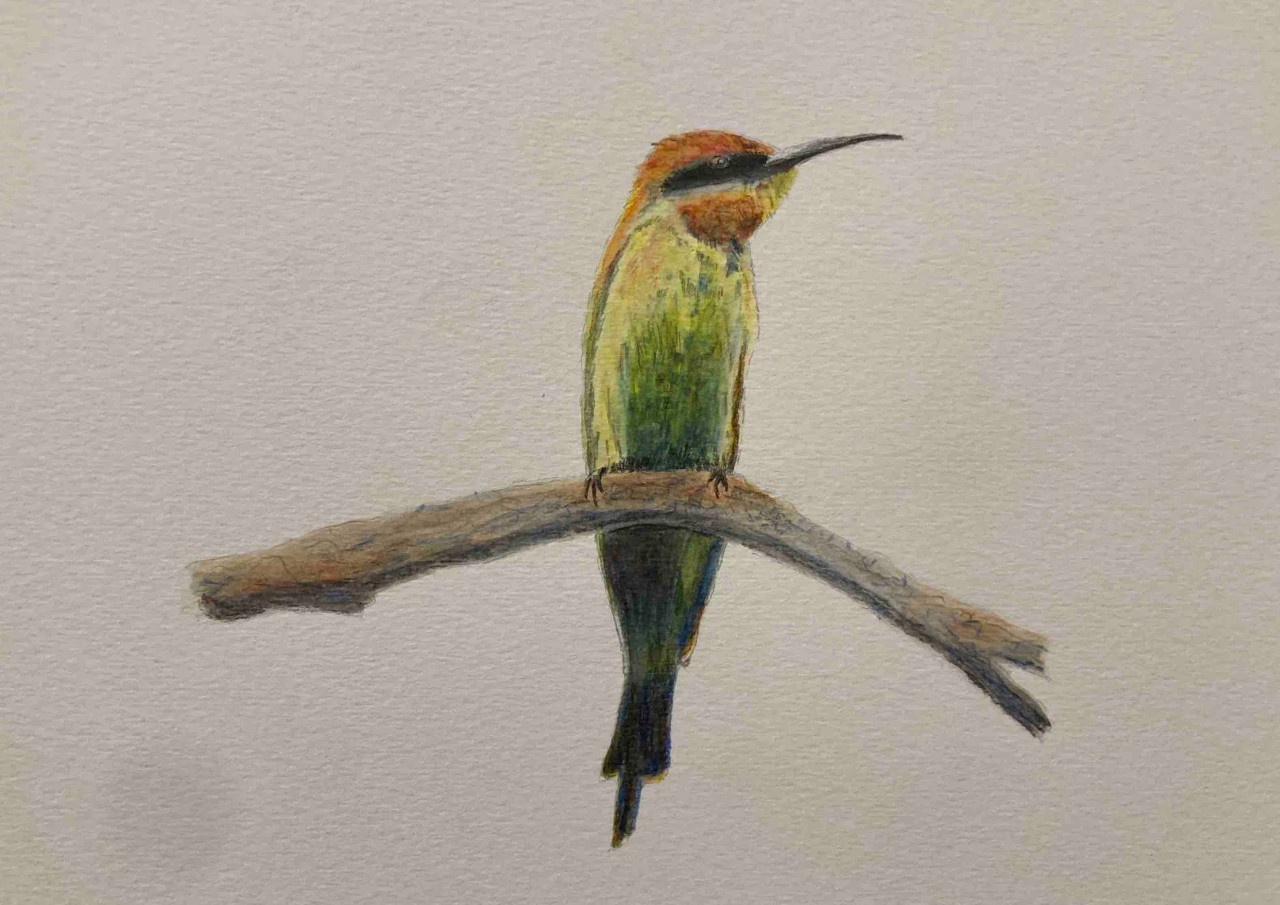
We had a wonderful week in Bellingen at Camp Creative. This was our 10th Camp and probably the one I've enjoyed the most from an artistic point of view. I took the 'Pencil Safari' course with Linda Weil while Lyn did 'Botanical Monoprinting' with Gillian Jackson. I really wanted to improve my drawing skills and use these within the watercolour paintings I've got planned. |
|
Blue Tongue by Paul Rees, graphite pencil on paper, 32 cm x 24 cm |
|
Rainbow Bee-eater by Paul Rees, watercolour pencil on paper, 32 cm x 24 cm |
|
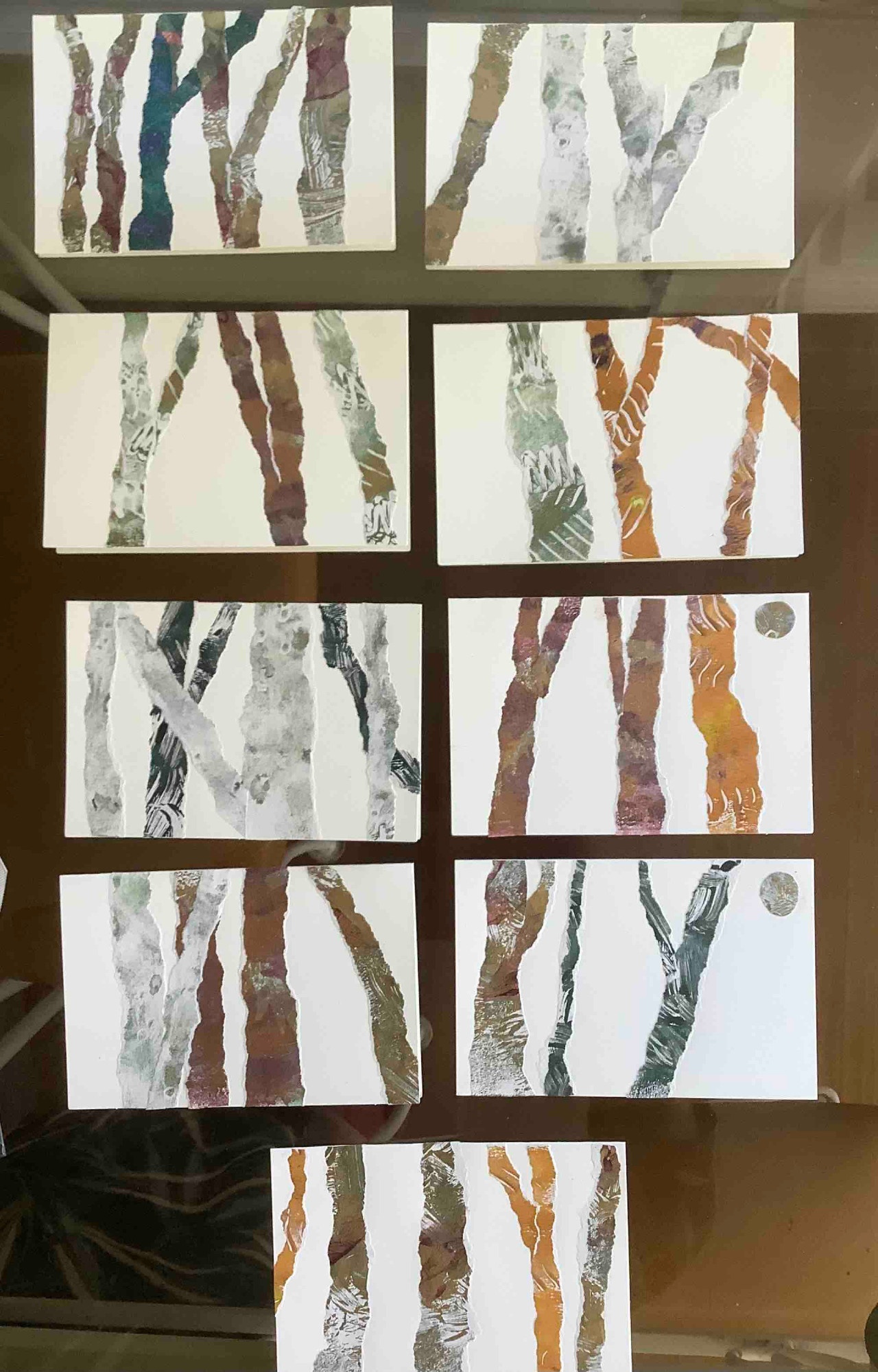
Lyn made a lovely set of cards using torn gel-plate prints she made. |
|
Collaged cards by Lyn Graham |
|
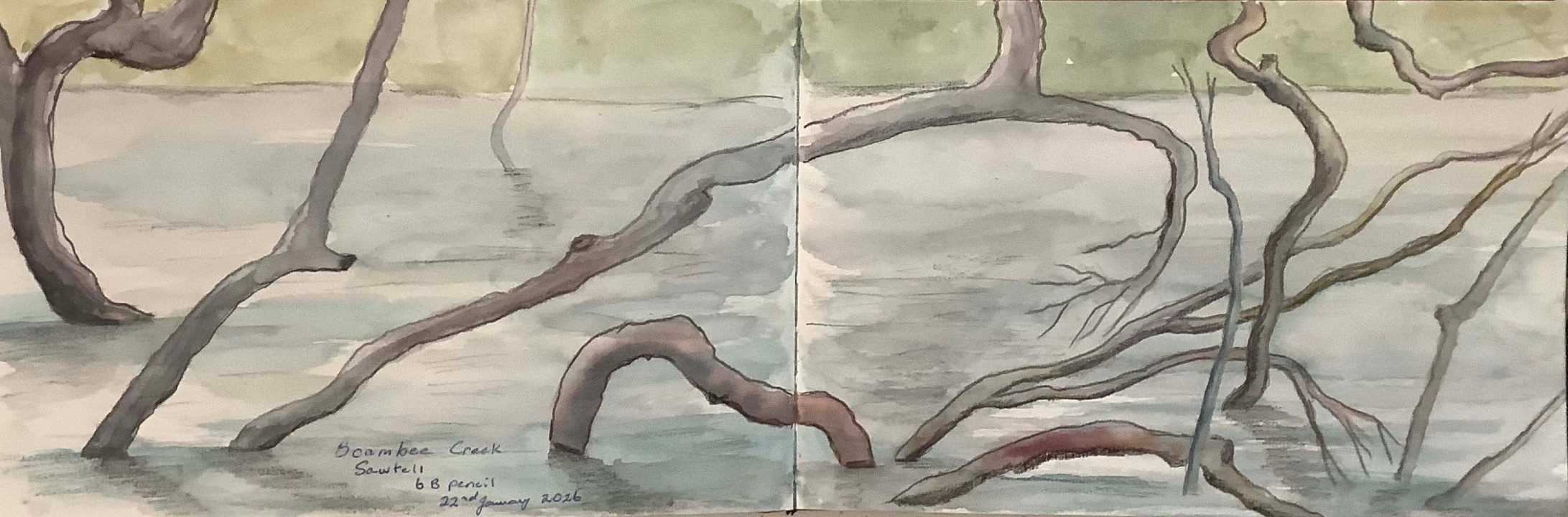
After Camp Creative, we went to Sawtell, just south of Coffs Harbour. We stayed in a converted boat shed with the ocean beach and Bonville Creek estuary a short walk either way. Swimming in the rock pool with the waves crashing in was wonderful. |
|
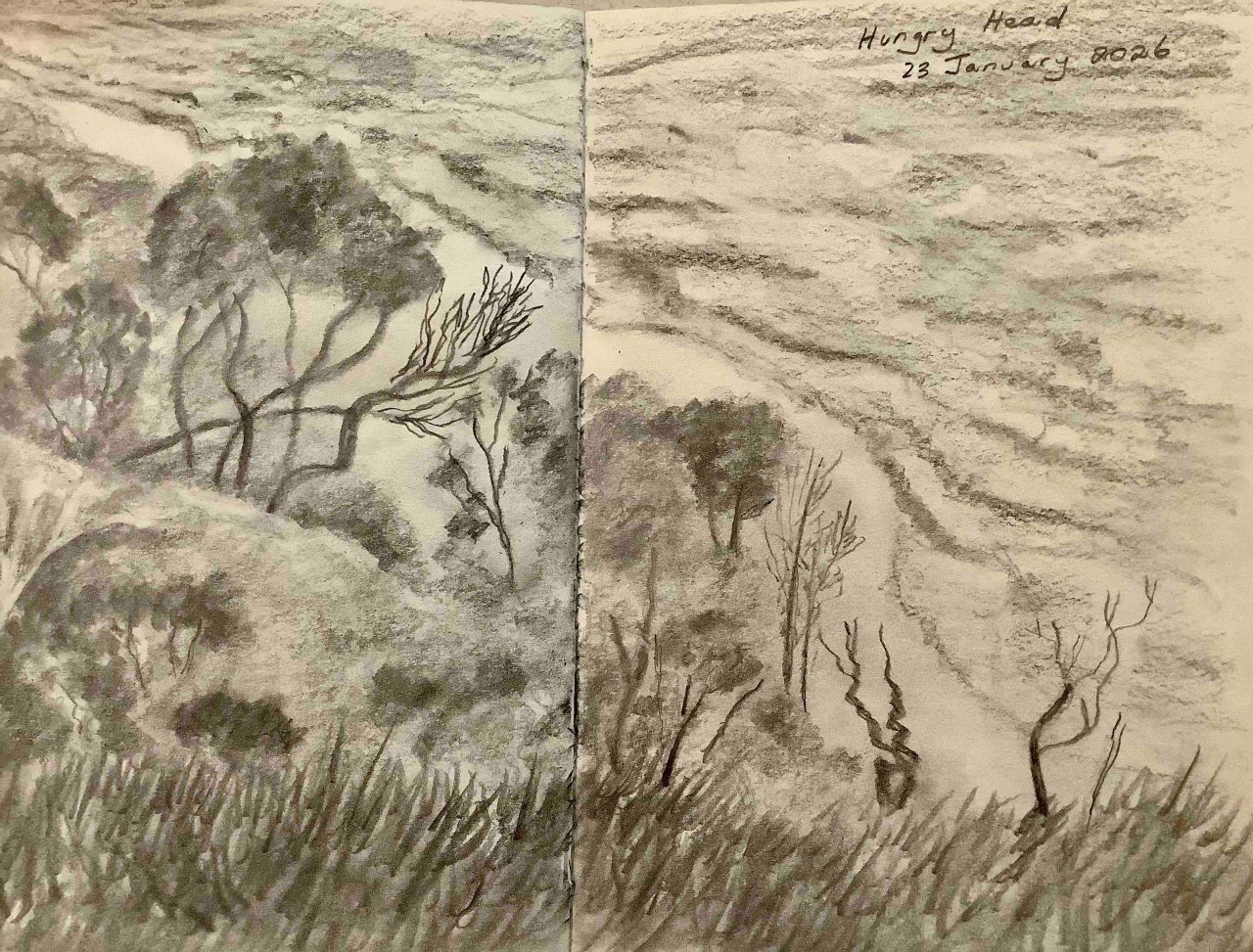
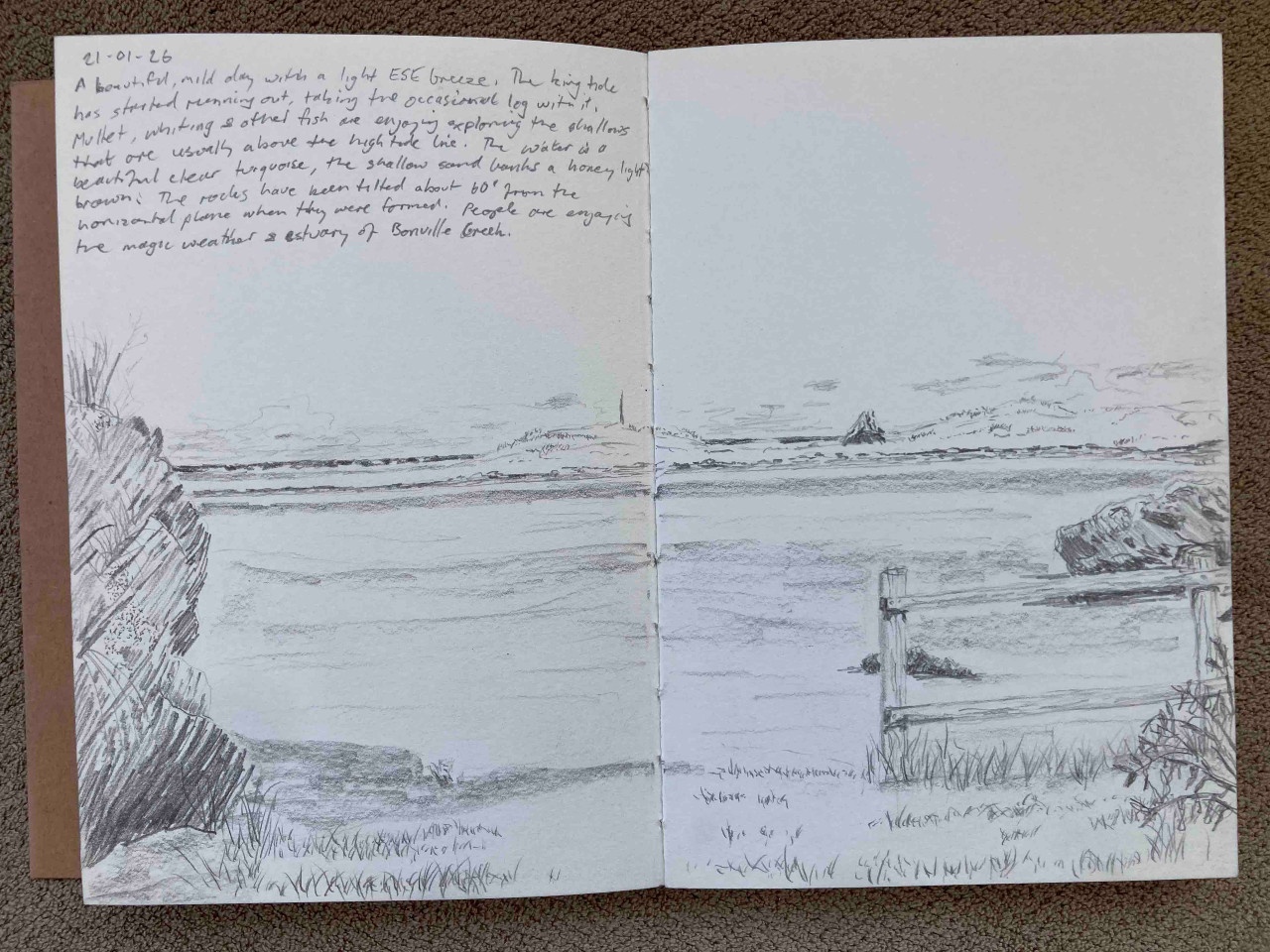
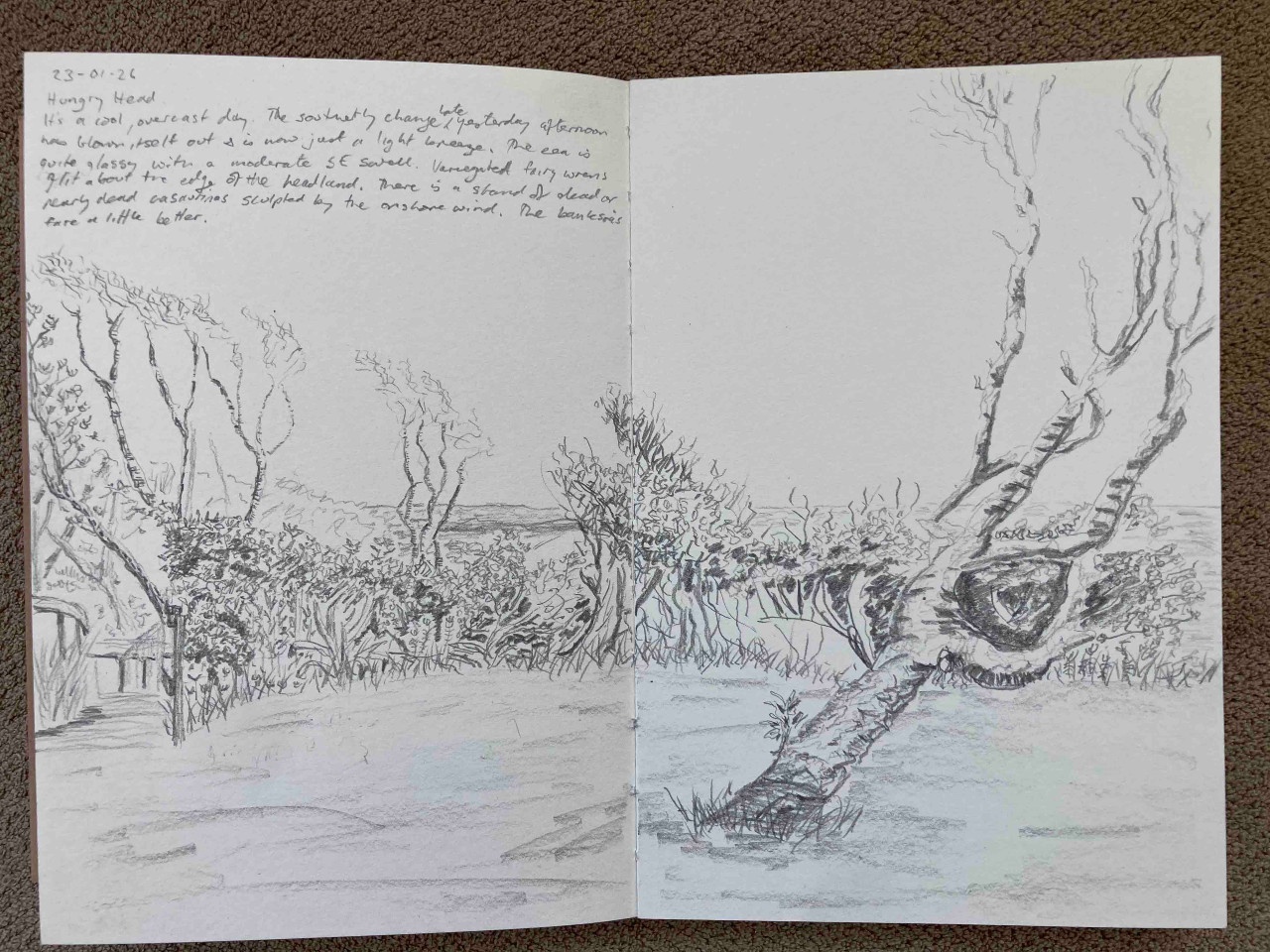
The Bellinger Valley and Coffs Coast is very special to me, having spent every Christmas and May school holiday from when I was 5 until I was 17 with my grandparents at Brigalow caravan park at Urunga, where the Bellinger and Kalang Rivers meet before flowing to the sea. Hungry Head is just to the south and Mylestom just to the north of this estuary, with Sawtell just 10 minutes up the highway and Bellingen 15 minutes inland. We had a lovely time sketching around the area. |
|
Boambee Creek by Lyn Graham, artist's journal |
|
Hungry Head by Lyn Graham, artist's journal |
|
Bonville Creek estuary by Paul Rees, artist's journal |
|
Hungry Head by Paul Rees, artist's journal |
|
New Australian Bird Series prints |
|
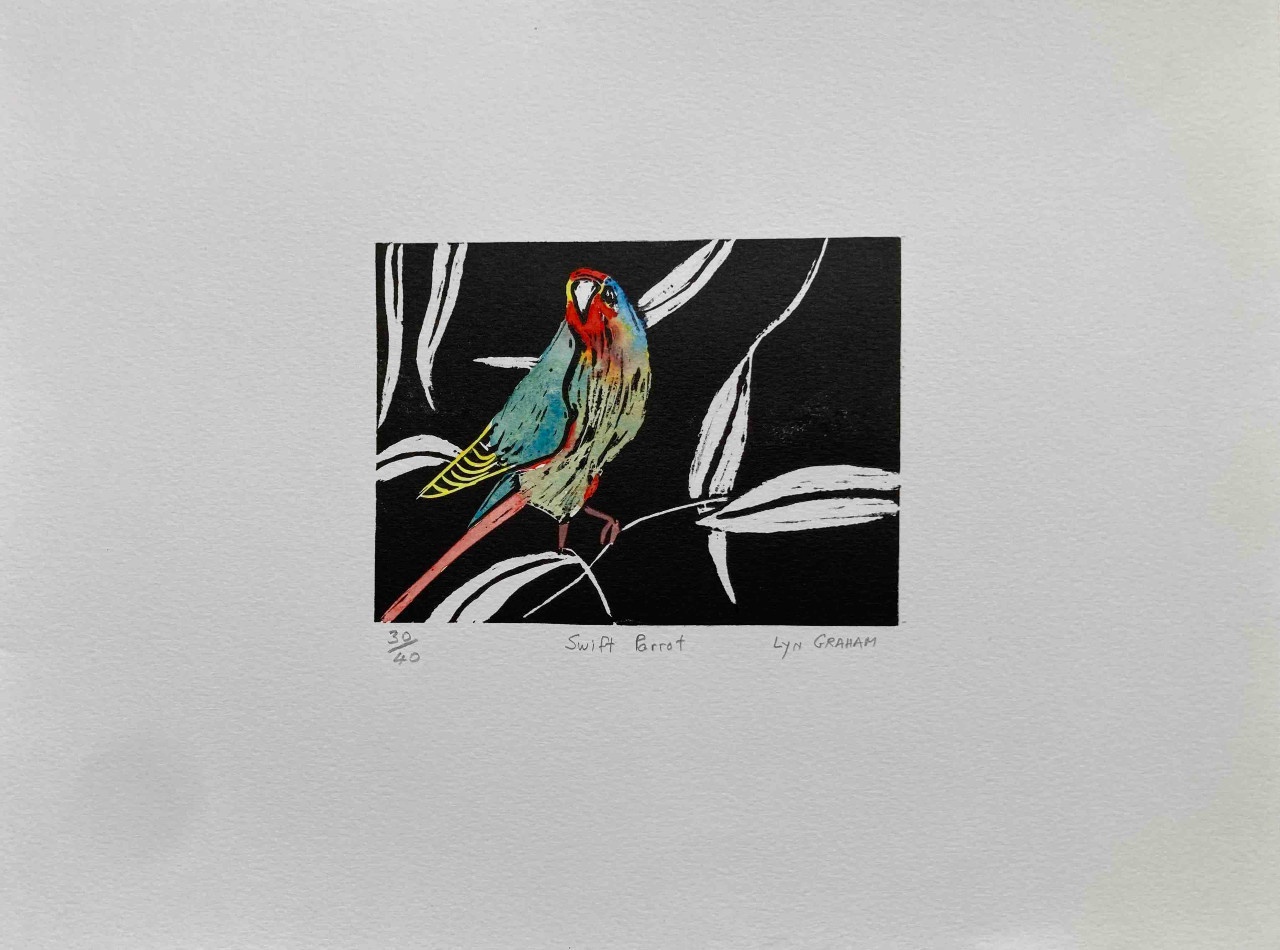
Lyn has added another 2 prints to her Australian Bird series – the galah and the swift parrot. We think this series is now in its third decade, but who's counting? You can see the series here. |
|
Swift Parrot by Lyn Graham, hand-coloured linocut on paper, 14cm x 10cm |
|
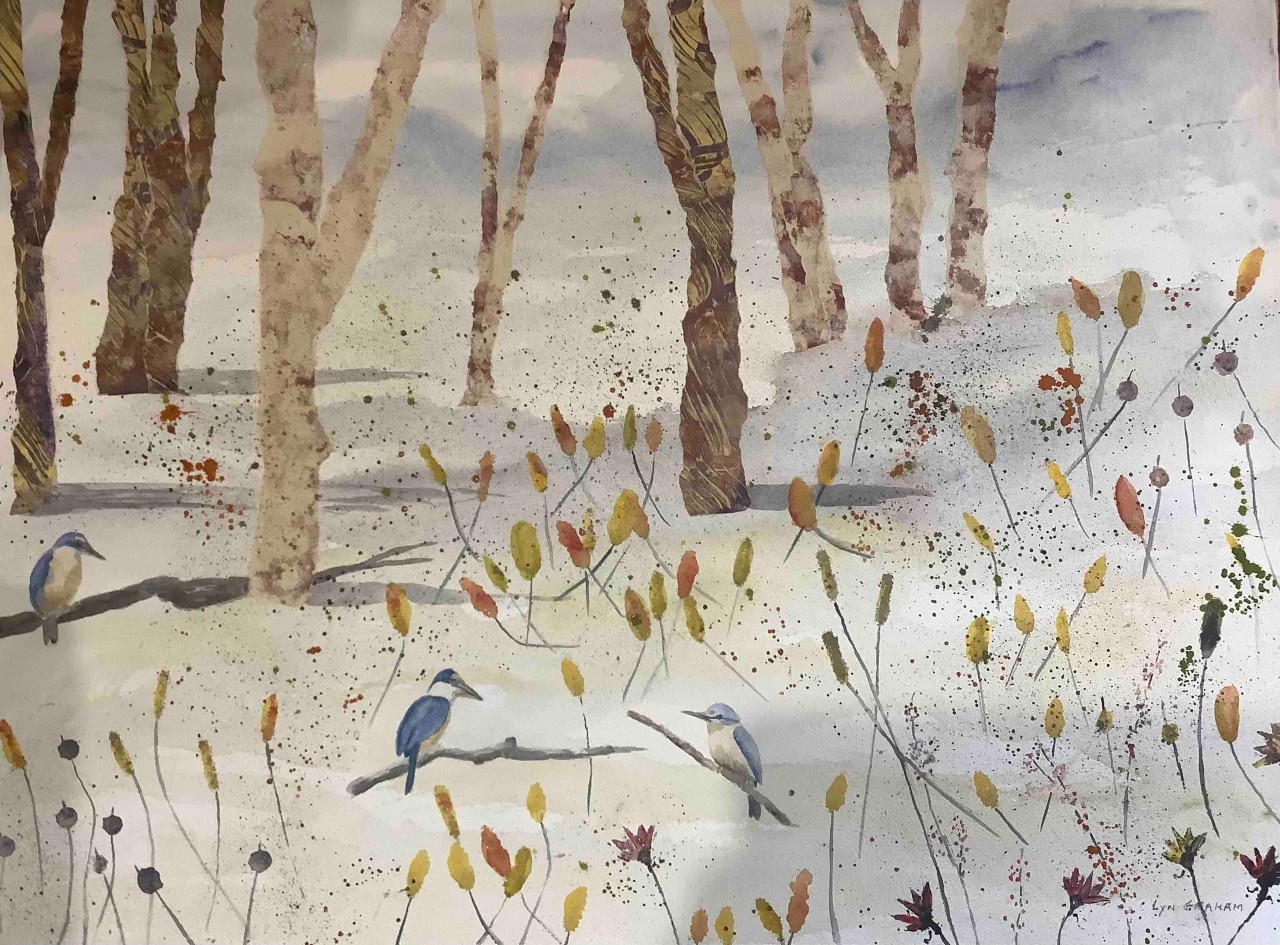
Lyn has completed a new painting in her popular abstract landscape watercolour series, Habitats. She's got several others planned and underway, so stay tuned! You can see the previous paintings in the series here. |
|
Kingfisher 1 by Lyn Graham, watercolour and collage on cotton paper, 76.5cm x 56.5cm |
|
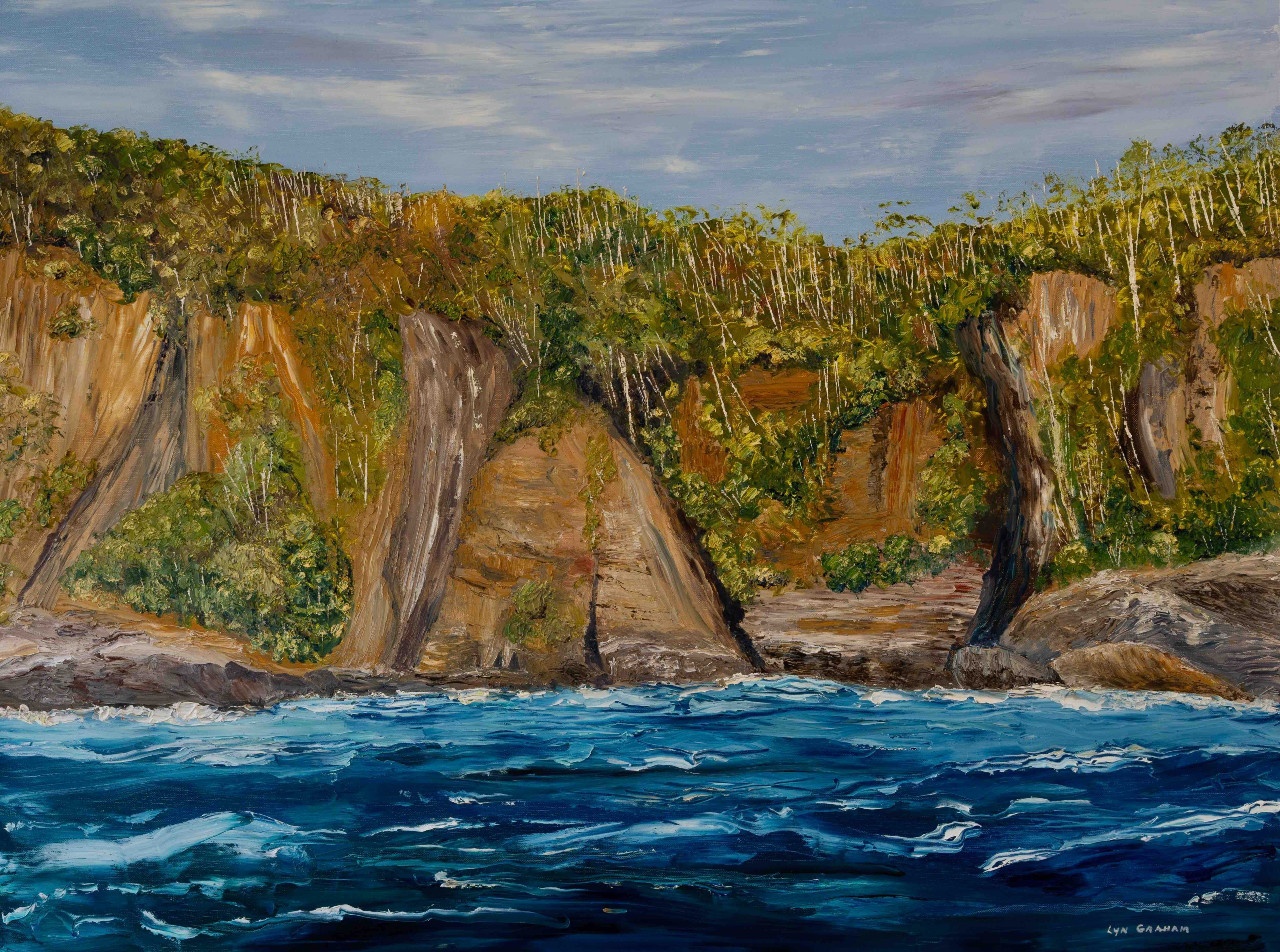
Lyn has been working on her Wild Coast series. There's a lovely, almost-completed large oil painting of a stunning scene from Three Hummock Island in Bass Strait on her easel at the moment. The painting below features the southeast coast of Bruny Island. |
|
South Bruny Sea Cliffs by Lyn Graham, oil on canvas, 102cm x 76cm |
|
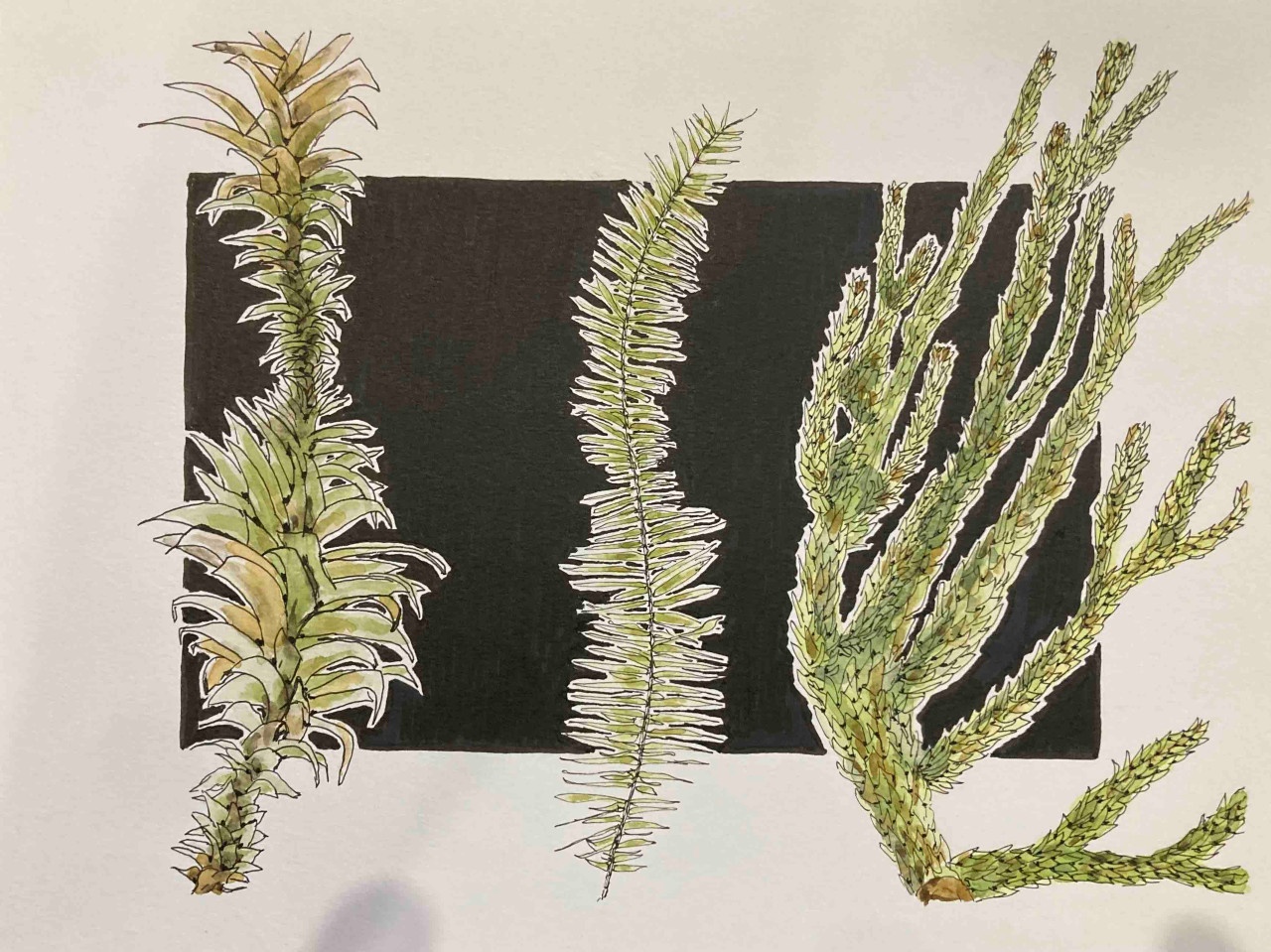
Meanwhile, I've continued work on my Primeval Botanical series. The second plant I've featured in this series is the Wollemi pine.
For those of you who aren't familiar with the story, the Wollemi pine appears in the fossil record from about 90 million years ago throughout what is now Australia, New Zealand, Antarctica and South America – in other words, a classic 'Gondwana' species. However, no fossils from more recent periods have been found and it was presumed to have gone extinct about 2 million years ago. That is, until a hiker named David Noble stumbled upon a grove of very weird looking trees in a remote gorge in the Wollemi national park, northwest of Sydney.
As was pointed out at the time, it was the botanical equivalent of finding a small family of dinosaurs somehow still living just a few hours from our biggest city.
The Wollemi pine is part of the same family of trees that include the bunya, hoop, Norfolk Island and kauri pines |
|
Bunya, wollemi and hoop by Paul Rees, watercolour on paper, 32cm x 24cm |
|
Apart from the new Australian Bird series prints, none of the new works featured in this newsletter are available through our website yet. If you're interested in any of these, please email me. |
|
Artist residency at the Tarkine |
|
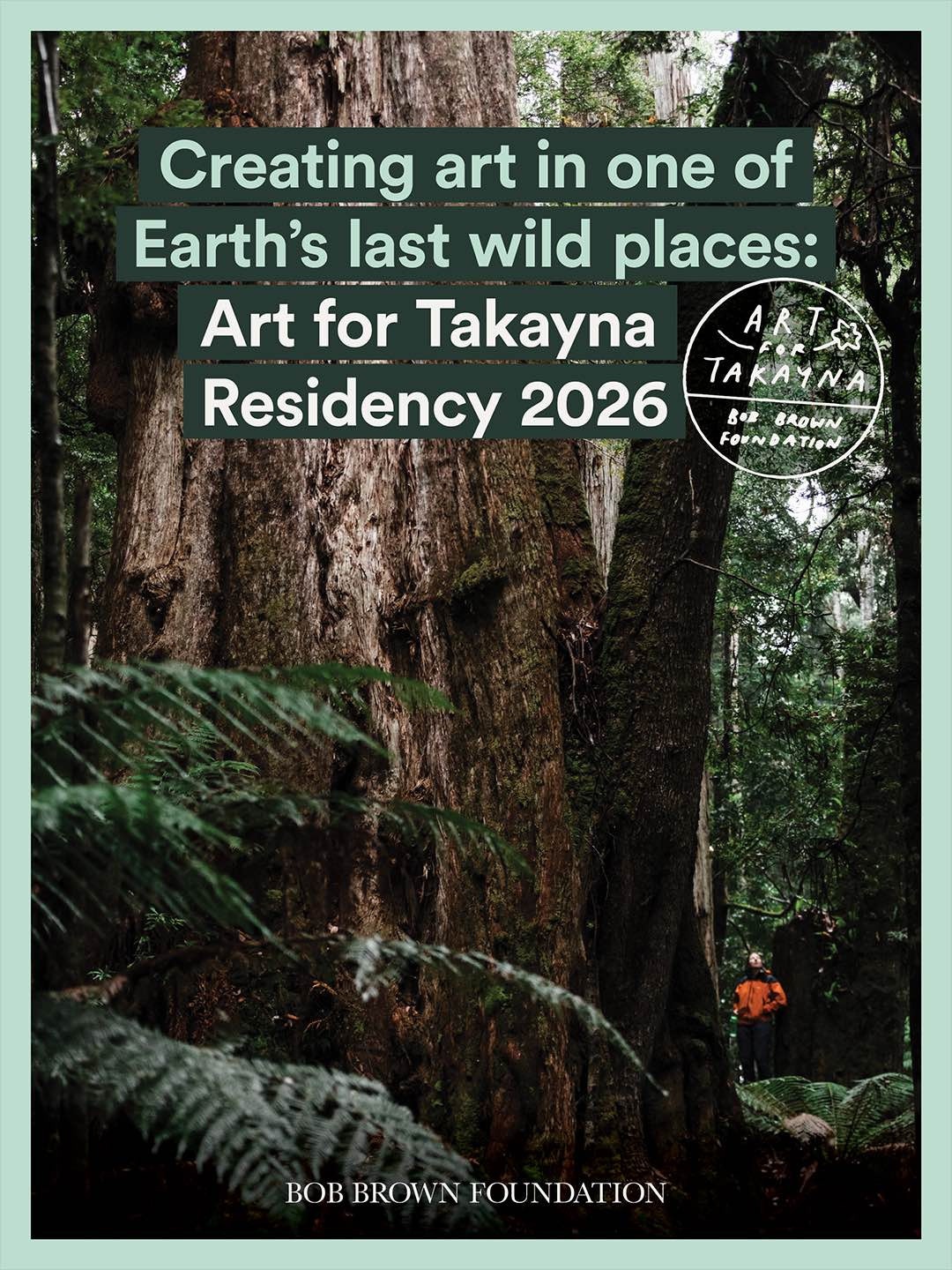
We are incredibly excited to be among the artists in residence in Takayna (the Tarkine) this year. We will be making art that will be exhibited in Hobart from 11 June to raise awareness of Takayna and funds for the Bob Brown Foundation to fight for Takayna's survival. |
|
Takayna stretches from the wild northwest coast of Tasmania, through dunes and heath country to the largest intact cool temperate rainforest in Australia, and second largest in the southern hemisphere. It contains some of the most significant Aboriginal cultural heritage in the nation, where it is believed Aboriginal people have lived for at least 40,000 years. It is home to many endangered and critically endangered species and is the last stronghold for the Tasmanian devil whose numbers have been devastated by devil facial tumor disease.
Unfortunately, logging and mining companies are exploiting the timber growing above the ground and minerals sitting underneath. And state and federal governments only too happy to let the companies rip.
The Bob Brown Foundation is engaged in a desperate fight to save Takayna and so many other precious areas. You can read more about their work here. |
|
Share what's new in Whynot Studio If you like what you see, please forward this newsletter to anyone who might be interested and encourage them to subscribe.
You can see more of our art on our website.
Please get in touch if you would like to purchase some original art, would like to organise a private showing or want more info. |
|
|
| |
|
|